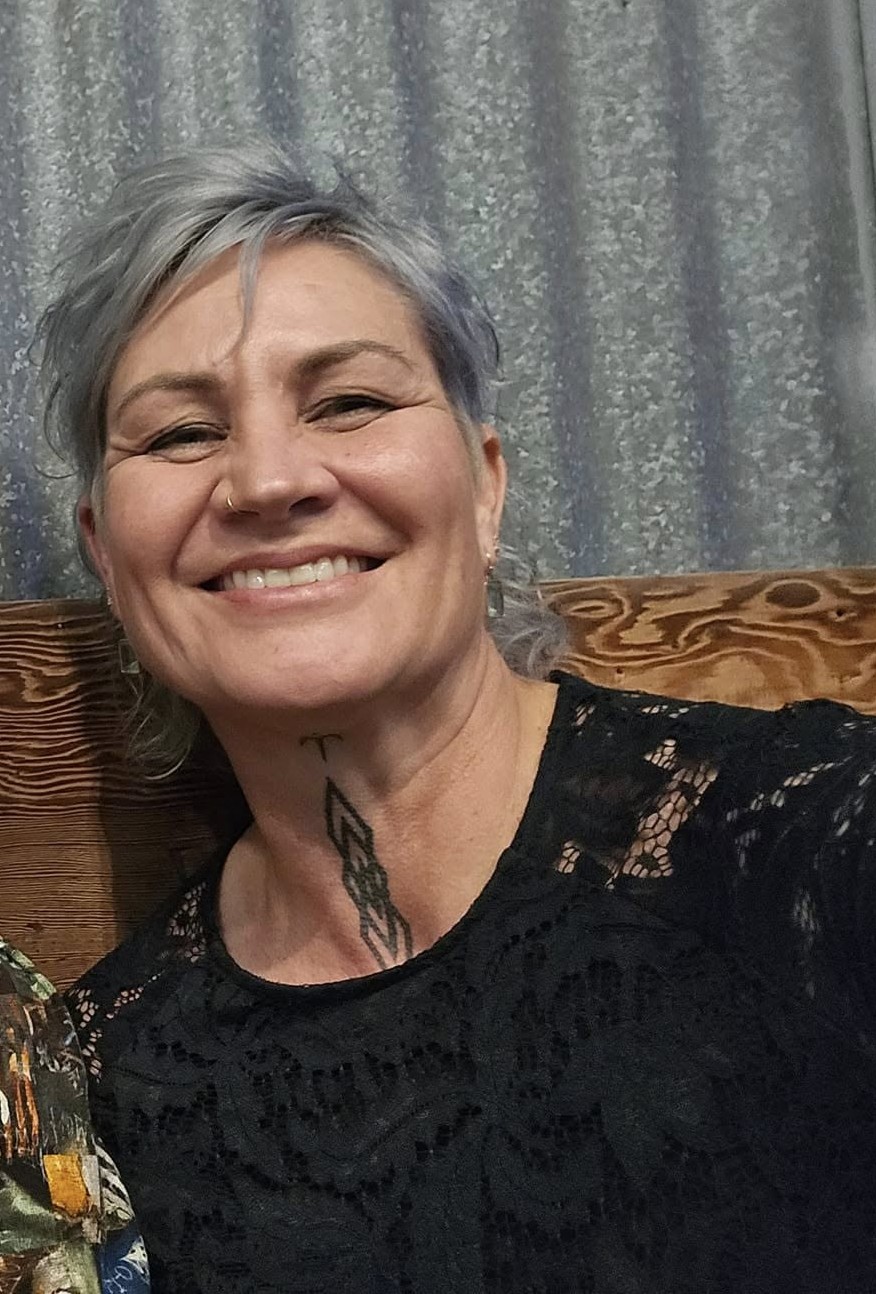
Rebecca Boyce
Ngāti Pūkenga | Ngāi Te Rangi | Te Rarawa
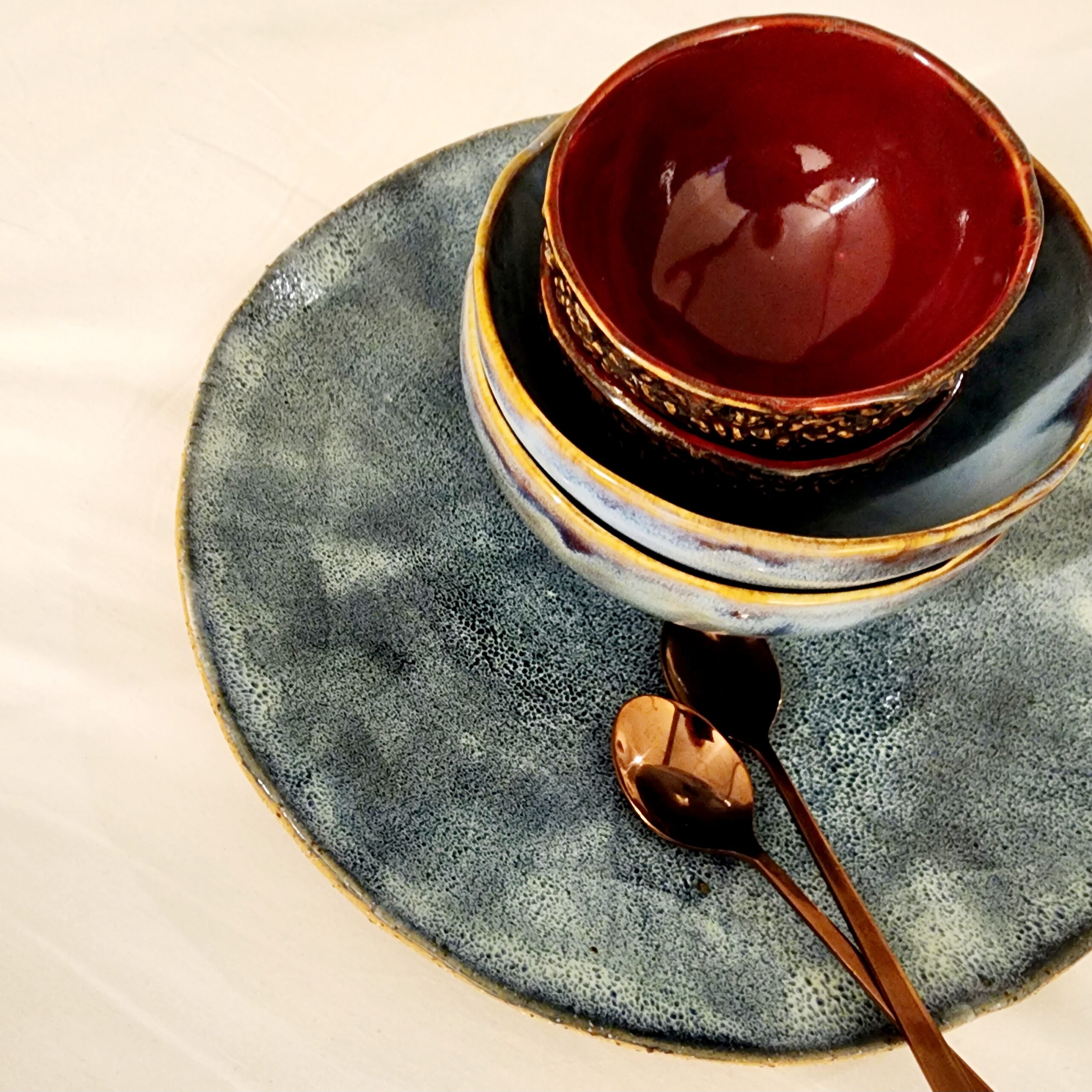
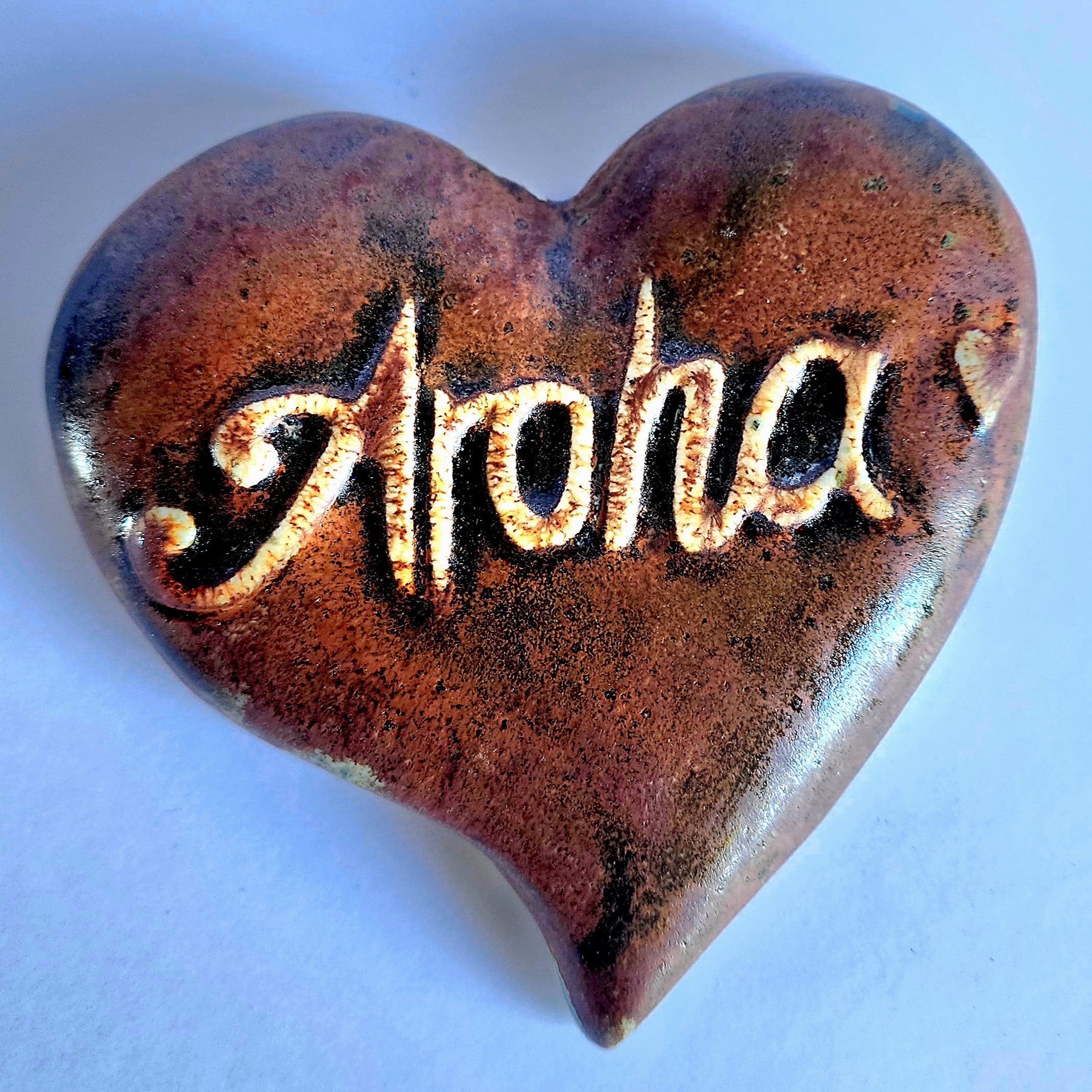
Rebecca Boyce is a Tauranga Moana based artist whose practice explores the interconnected relationships between whakapapa, mātauranga Māori, taiao, and cultural identity. Working primarily in ceramics and mixed media, she creates works inspired by the natural world and the stories that connect people to place.
Native flora and fauna, waterways, wetlands, celestial bodies, and traditional Māori visual language frequently appear throughout her work, often reinterpreted through a contemporary lens. Recent projects have explored the significance of the Matariki whetū and the life cycle of the longfin eel (tuna), reflecting an ongoing interest in the relationship between people, the environment, and mātauranga Māori.
Through her work, Rebecca seeks to create opportunities for reflection, encouraging viewers to engage with stories of whakapapa, taiao, and the enduring relevance of mātauranga Māori in contemporary life.
IWA Exhibition Pieces
Pūtake
Inspired by Matariki
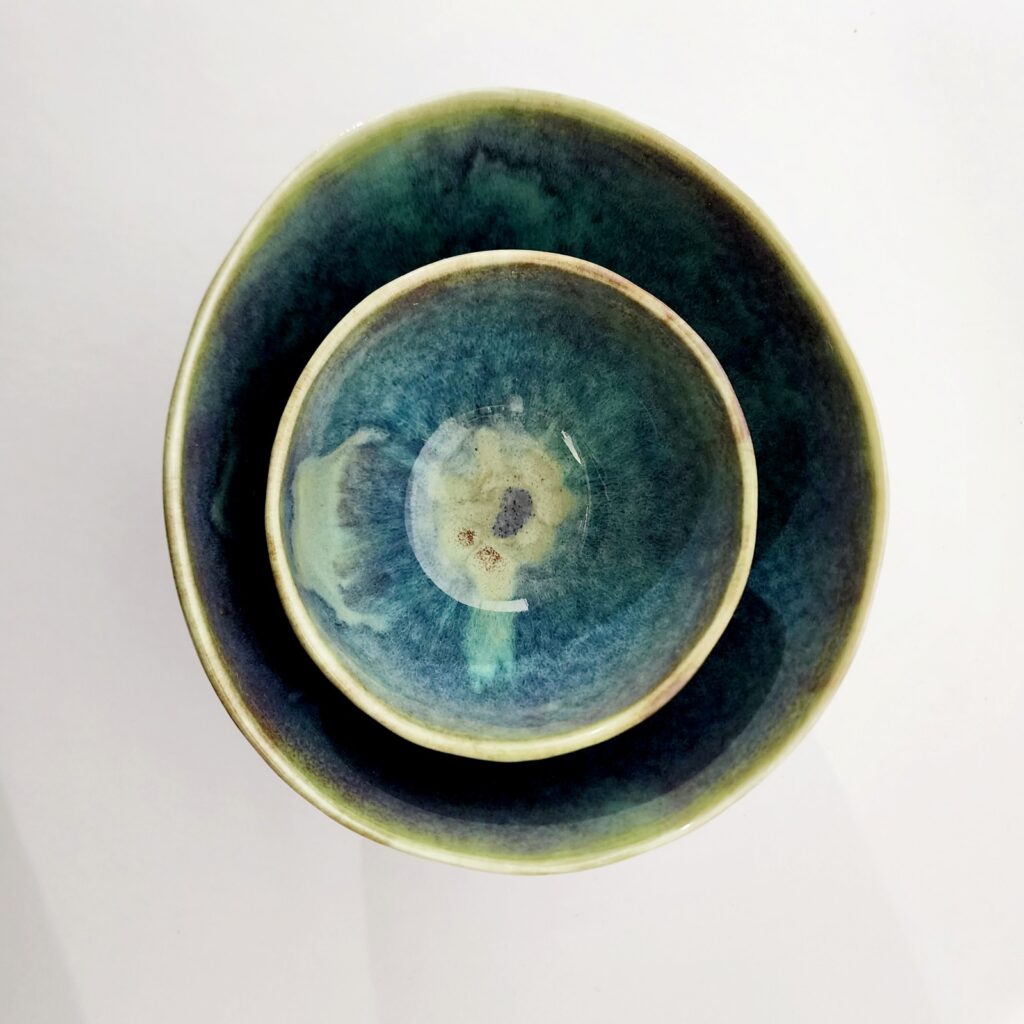
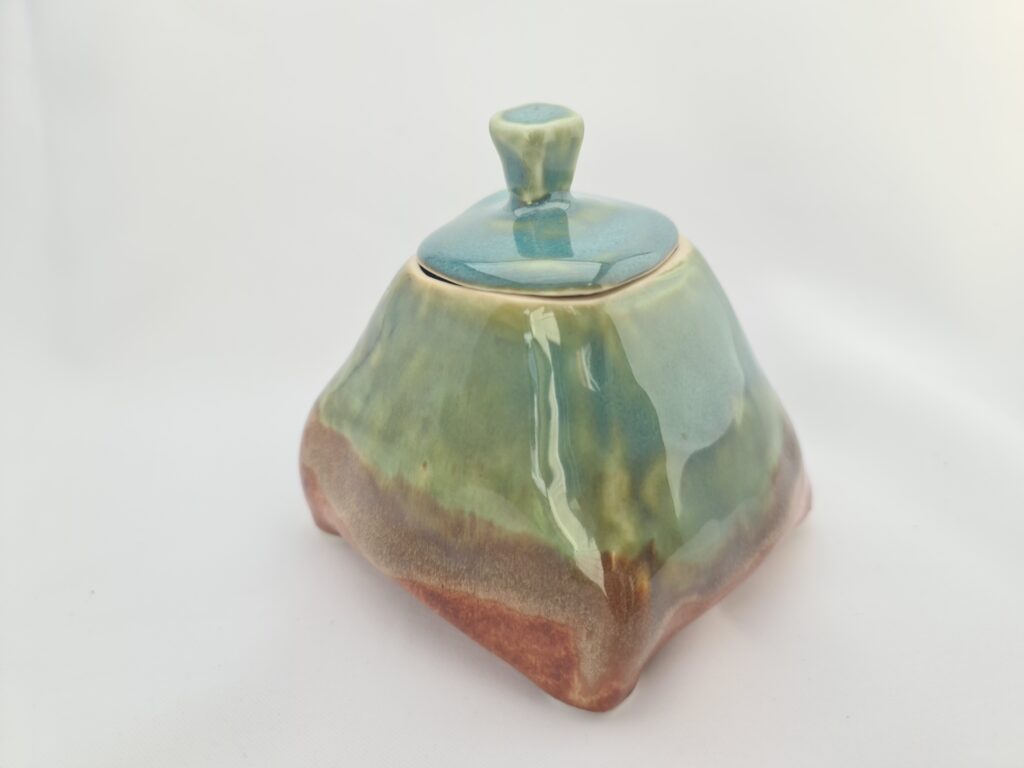
Pūtake – source, foundation, or origin. Inspired by Matariki, this vessel reflects the beginning of the Māori New Year – a time to gather, reflect, and acknowledge the connections that sustain us. The form speaks to grounding and belonging. It reminds us to pause and consider where we come from, who we are, and the foundations that continue to nourish us.

Te Wawata
Inspired by Hiwa-i-te-rangi
Te Wawata – aspiration, hope, and the dreams we hold for the future. Inspired by Hiwa-i-te-rangi, the star to whom wishes and intentions are offered, this vessel acknowledges the act of looking forward with purpose and optimism. Its interior holds a universe of possibility, a reminder that even the smallest hopes have the power to grow when nurtured with intention.

Mahara
Inspired by Pōhutukawa
Mahara – remembrance and memory. Inspired by Pōhutukawa, the whetū connected to those who have passed, this piece is a quiet acknowledgement of those who came before us and the legacies they leave behind. The vessel invites reflection on the people, stories and experiences that continue to shape us, carrying memory as something held gently and with enduring love.

Toitū
Inspired by Ururangi
Toitū – to remain, to endure, and to stand firm. Inspired by Ururangi, the whetū associated with the winds, this piece reflects resilience in the face of change. Like stone weathered by wind and time, it speaks to our ability to adapt, persevere, and remain steadfast even as the world around us shifts.

Te Kākano
Inspired by Tupuānuku
Te Kākano, – the seed, is inspired by Tupuānuku, the whetū connected to food and sustenance from the earth. The vessel speaks to beginnings and potential. Like a seed held within the soil, it acknowledges the unseen work of growth and the importance of nurturing that which sustains us.

Te Rere
Inspired by Tupuārangi
Te Rere – to soar or to take flight. Inspired by Tupuārangi, the whetū associated with food from above and the bounty of the forests and skies, this piece celebrates growth, creativity and abundance. Its form speaks to movement and possibility, honouring the gifts that come from looking upward and remaining open to inspiration.

Te Ua
Inspired by Waipuna-ā-rangi
Te Ua – rain. Inspired by Waipuna-ā-rangi, the whetū connected to the rains, this vessel acknowledges the life-giving waters that nourish the land. Rain is both gentle and powerful, arriving in its own time and reminding us that growth and renewal often come from what cannot be controlled.

Te Puna
Inspired by Waitī
Te Puna – spring or source of water. Inspired by Waitī, the whetū associated with freshwater and the life it sustains, this piece reflects the quiet significance of water as a source of nourishment and renewal. Like freshwater emerging from the earth, it speaks to clarity, healing, and the continual flow of life.

Te Tai
Inspired by Waitā
Te Tai – the tide. Inspired by Waitā, the whetū connected to the ocean and its abundance, this vessel acknowledges the enduring relationship between people and the sea. The tides are rhythmic and ever-changing, carrying memories and stories across generations. Honouring the movement of the moana and the life that it holds.

Artistic Practice
- Uku (ceramics)
- Painting
- Fibre Arts
- Mixed Media
Current Projects
- Tuna (Longfin Eel) Series
- Uku Matariki Series
- Exploration Handmade Fibre Paper
- Environmental and Cultural Narratives
- Bachelor of Māori Art | Visual Arts
Exhibitions
- 2026 – IWA: A Matariki Exhibition
- 2025 – Waiora: Rauangi Exhibition, Te Wānanga o Aotearoa
- 2025 – Te Kura o Ngā Haututū Toi
- 2023 – Uku Exhibition, The Pot House
- 2021 – My Mothers House & Garden (merit award)
- 2018 – Bay Clay
A selection of ceramics works from my creative practice.
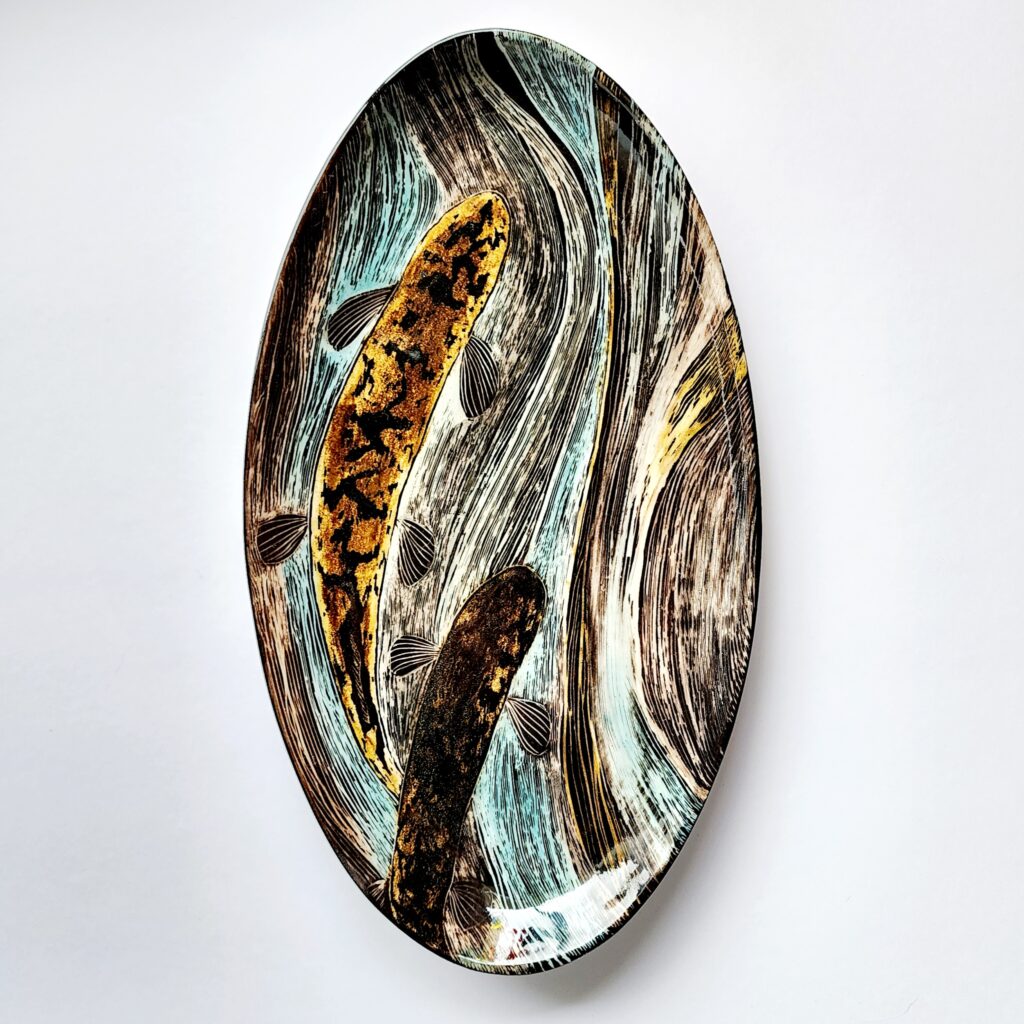
Te Hekenga
Merit Award Recipient, My Mother’s House & Garden Exhibition 2021
This work explores the journey of the longfin eel (tuna) through the waterways of Aotearoa. Carved flowing lines evoke rivers, currents, and movement, while the eel itself emerges from the landscape rather than sitting apart from it.
The piece reflects an enduring interest in the relationship between freshwater environments and the species that depend upon them. Through carving and layered glaze application, the work combines contemporary ceramic practice with themes drawn from te taiao and mātauranga Māori.
Awarded a Merit Award at the 2021 My Mother’s House & Garden Exhibition, Te Hekenga represents an early milestone in the development of a body of work that continues to explore tuna, wai, and the interconnected relationships between people and the natural world.

Te Waiora Collection
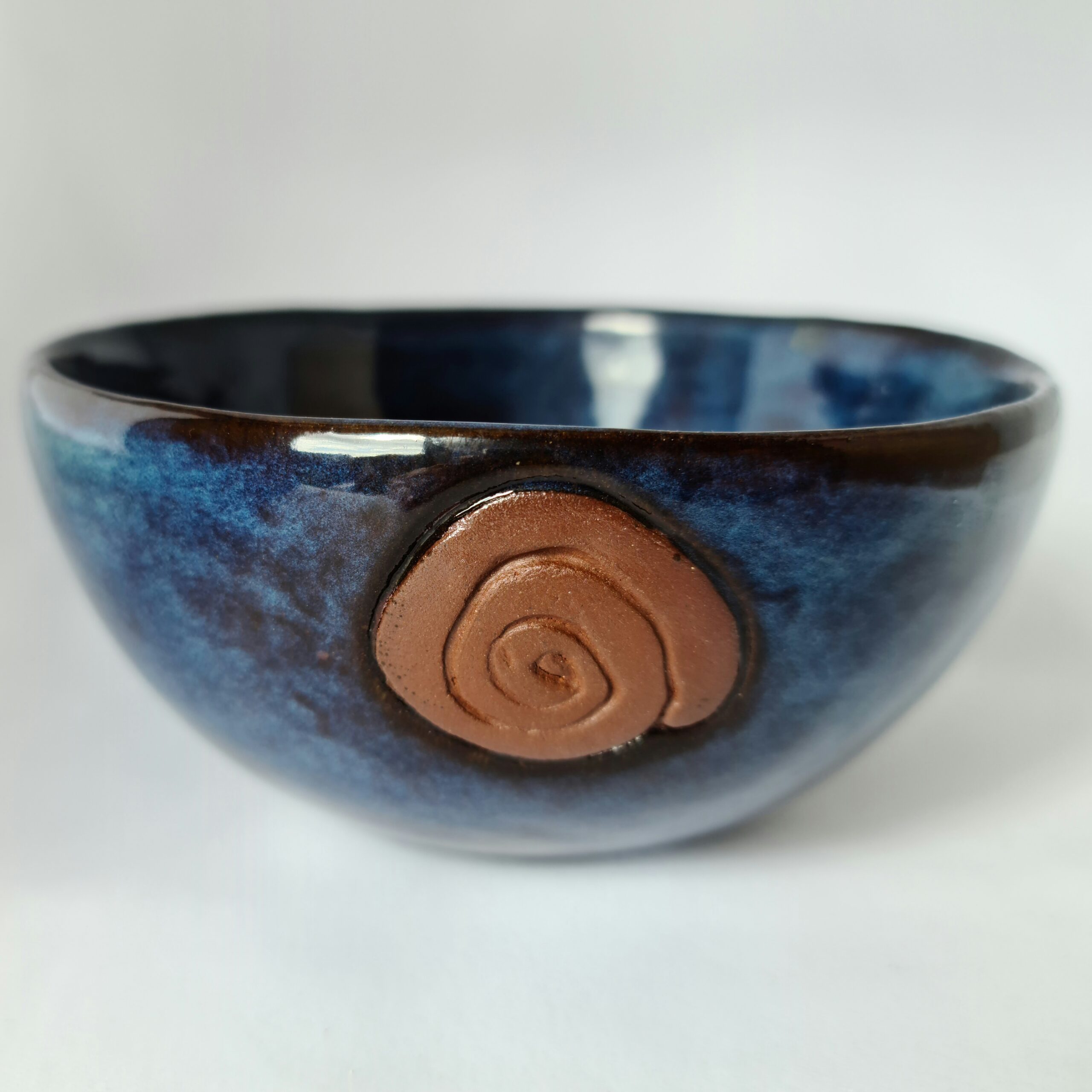
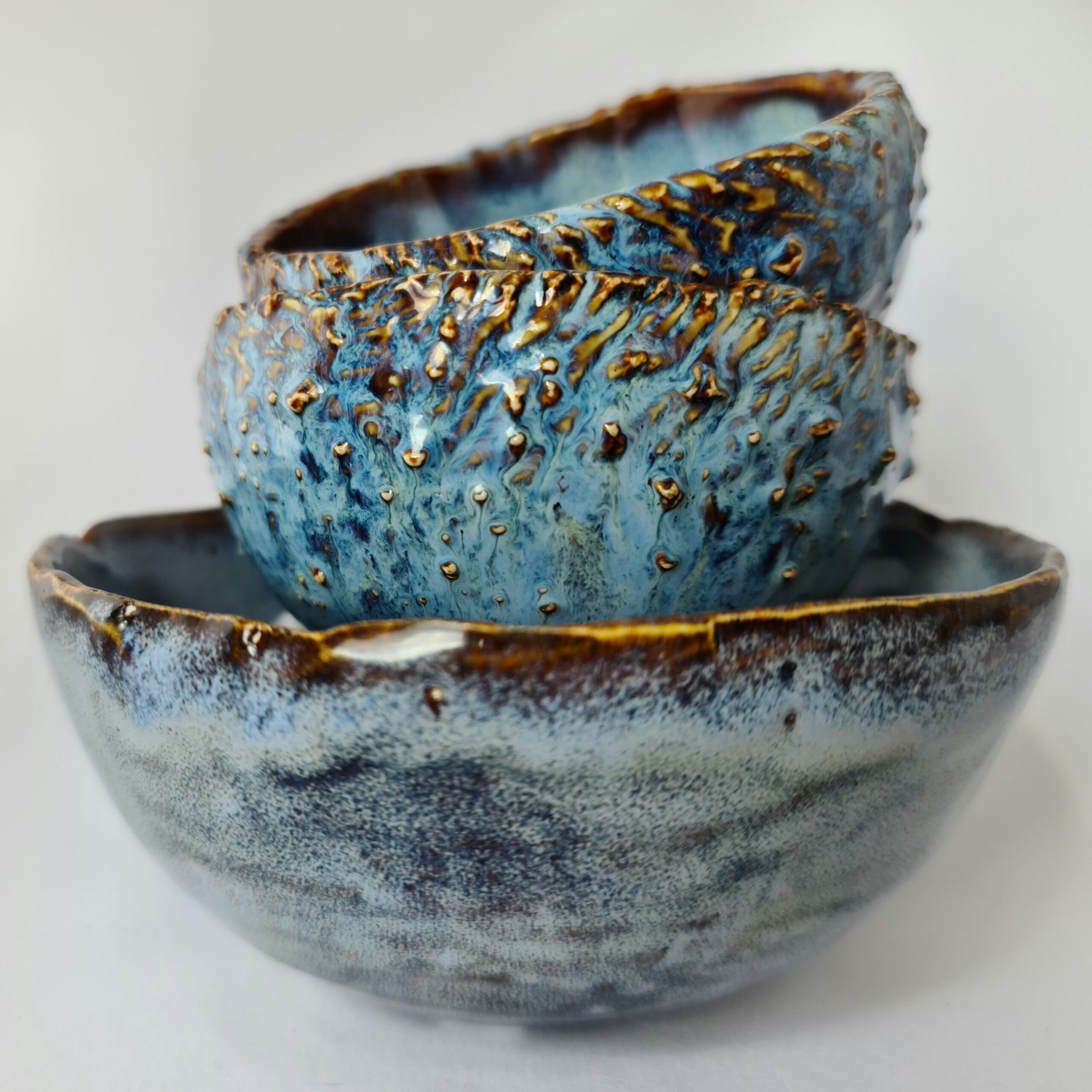
This collection explores the relationship between water, movement, and transformation. Through layered glazes and textured surfaces, the pieces evoke the shifting patterns of rivers, estuaries, and coastal environments.
The flowing blue and white glaze combinations are inspired by the waterways of Tauranga Moana and the interconnected nature of te taiao. Each firing produces unique variations, reflecting the ever-changing character of water itself.
Created as functional vessels, these works sit at the intersection of everyday use and artistic expression, inviting reflection on the importance of wai as a source of life and wellbeing.